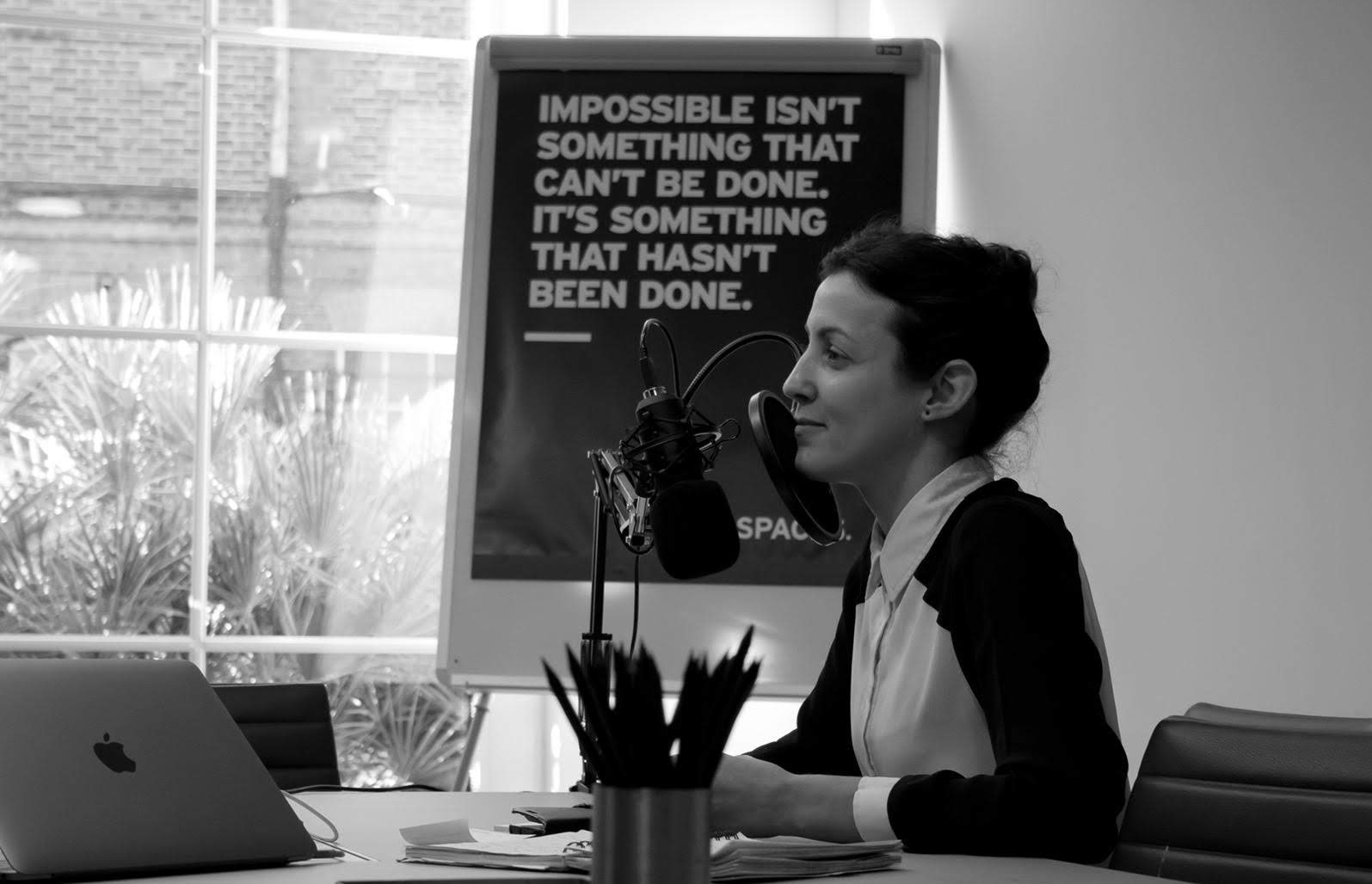
Step into the dynamic world of Sara Osterholzer, the visionary Founder behind The Good Business Club and Second Voice Pro. While the inception of her entrepreneurial journey may seem accidental, having transitioned from a company that faced administration, Sara’s passion and determination have been unwavering. In this revealing interview, Sara provides a comprehensive insight into the intricate challenges of leading early-stage businesses, the physical and emotional toll they can exact, and the crucial strategies she’s adopted to maintain a healthy work-life balance.
What inspired you to become a founder?
Fell into it. I was working for a company that went into administration and we were only told 24 hours before we had to stop trading. The idea for my first business had been mulling away in my head for a few months so I thought now was as good a time as any to try it out, and if it didn’t have legs I would go and find my next employed role. I haven’t worked for anyone else ever since.
During your time as a founder, have there been specific instances where you’ve felt particularly stressed or overwhelmed? If so, could you share a brief overview?
Working in an early-stage business is stressful and overwhelming. I learned this when I worked in other founders’ startups so a lot of what I have experienced was before I started my own business. This ranges from working remotely with a diverse group of people who have different communication styles and figuring out how you can work effectively together to not having a healthy work-life balance that has led to burnout.
What warning signs indicate to you that you might be feeling stressed or overwhelmed?
I feel stress physically on my shoulders (all tensed up) and when I am exhausted I start to feel like I’m coming down with the flu. So I am always staying connected to my body and looking after my physical health.
Can you identify specific aspects of your role as a founder that have had a substantial impact, either positive or negative, on your well-being?
Hiring and managing people is hard. People are unpredictable and you have a huge impact on them. So that’s one that is both rewarding and a huge pressure. Money and cash flow – unsurprisingly a lot of negative headspaces have been due to money. As a founder, it’s hard to properly switch off. Finding activities that enable you to do that and practicing it is so important.
Who are in your support system, and how do you engage with them during challenging times?
Coach, mentor, business partner, peers. All play different roles and all are vital to get out of my own head, sense-check ideas, and take the pressure off.
Have you ever considered professional help to address mental health concerns during your founder journey? If so, how was that like?
I have been to therapy and have explored personal development courses that have transformed my relationship and experience with anxiety.
What are some practical strategies you’ve implemented to maintain your mental health while managing your startup?
Boundaries – don’t work 20-hour days. Schedule the downtime in and don’t sacrifice it. Find activities that help you switch off and get present – for me, it’s motorbikes and race weekends. Share your challenges with others – you might think everyone else has their shit together, but they don’t. Once you start talking to others about it you realize you’re all in the same boat and I found that a relief. Get out of your own head – whether it’s to a coach, a mentor, a peer. Don’t struggle in isolation. The sooner you can get out of your own head and get fresh perspectives on the challenges, the sooner you can move forward powerfully.
How do you strive for a balance between your professional and personal life? Are there any particular boundaries or practices you’ve found helpful?
My daily and weekly routine ebbs and flows based on what the business and team need but every day has downtime to see friends, family, etc. I never cancel personal things because of work situations.
If you could offer one piece of advice to fellow founders on managing well-being or stress, what would it be?
Find what works for you and build healthy habits.
Are there any other aspects of your experience as a founder related to mental well-being that we didn’t ask about but you think are important to share?
I have learned a heck of a lot the hard way when working in other startups so I think I’ve brought healthy habits and practices into my own business. Maybe you can ask about this as well as there is probably another context to the story.
What other questions should be included to understand better the mental health challenges founders face?
Acknowledge that mental health is different for everyone so ask them to share what poor and healthy mental health looks like for them to set the scene and build reliability.
Ending Remarks
Sara Osterholzer’s journey is a testament to the multifaceted challenges founders face and the resilience they must summon. From the overwhelming pressure of managing diverse teams and meeting tight deadlines to the personal struggles with stress manifested physically, the path of entrepreneurship is fraught with challenges. However, it’s Sara’s proactive approach to mental well-being that stands out. Emphasizing the importance of setting boundaries, seeking support, and engaging in activities that allow one to disconnect, she offers invaluable advice to fellow founders. Sara’s reflections underscore the importance of not just navigating the entrepreneurial journey but also prioritizing oneself amidst the hustle. Her suggestion to delve deeper into individual definitions of mental health provides a thoughtful direction for future discussions on the topic.
Leave a Reply