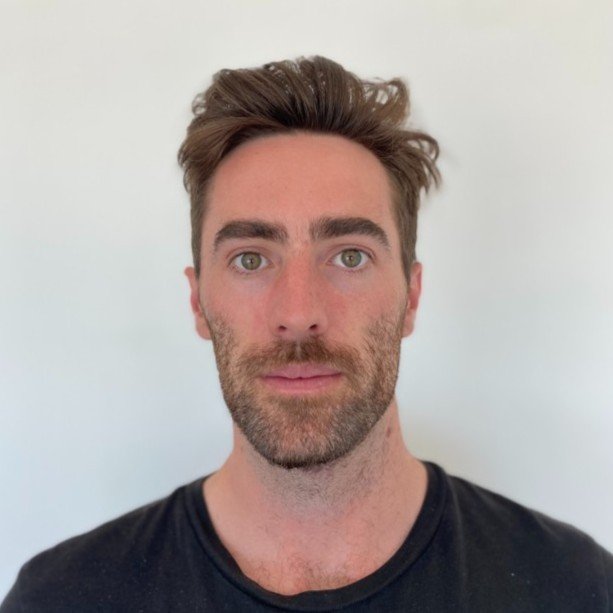
Meet Anthony Veryard, a passionate digital marketer, consultant, and strategist. Anthony is the Founder and CMO of Block5, an agency that specialises in integrated brand strategy and media production for startups and SMEs.
Today, he’s stepping forward to shed light on a topic that’s often overlooked but immensely crucial: his journey with mental health as a founder. Join us as Anthony delves deep into the challenges he’s faced, how he’s navigated them, and the lessons that can benefit us all.
What inspired you to become a founder?
“I’ve always been a big believer in the importance of forging your own path. As a youngster, it was my dream to become a professional tennis player and, in many ways, becoming a founder has felt like a natural progression from this.
I believe it has been the most effective way for me to grow both personally and professionally.
In my late teens, I became fascinated with entrepreneurship after reading about entrepreneurs like Richard Branson, Tim Ferriss and Seth Godin who seemed to be able to bring their own small utopias into reality.”
During your time as a founder, have there been specific instances where you’ve felt particularly stressed or overwhelmed? If so, could you share a brief overview?
“A standout moment of stress stemmed from a project I undertook for a client, which, in retrospect, I should have declined.
While their persuasion made me feel like the right fit, it subsequently resulted in numerous sleepless nights and heightened anxiety.
From this, I learned the importance of early communication about concerns and realized the value of seeking external support for tasks outside my expertise.”
What warning signs indicate to you that you might be feeling stressed or overwhelmed?
“I notice a tendency to withdraw, avoid confrontations, face decision paralysis, and on ocassion manifest physical symptoms. Other signs include a greater irritability and an inclination to agree to tasks that I’m not genuinely enthusiastic about.”
Could you share an instance when your mental health impacted your business and how you navigated through that?
“Over the years, I’ve often faced moments of anxiety and imposter syndrome, particularly when I first started speaking in public and working with larger clients. The anxiety is something that over time I’ve been able to build a relationship with, rather than dismiss the feelings, which are a natural part of life. Often when they come up, they can be an indication of me putting myself in environments that are unconfortable and helping me grow.
Three additional things have also helped with that:
- The first is being able to identify the blocker or blockers. It’s likely there are one or two tasks that, if tackled, make the rest feel surprisingly manageable.
- The second is having great people around who you can turn to in these moments.
- The third is putting systems and team members in place to keep the momentum going.”
Can you identify specific aspects of your role as a founder that have had a substantial impact, either positive or negative, on your well-being?
“Letting people go. I found that extremely challenging at first (and still do for the most part) to separate the emotions from the process.
The pitching and sales process, as well as spending money on ads profitably, on the other hand, have helped tremendously when it comes to building resilience and confidence in myself.”
Who is in your support system, and how do you engage with them during challenging times?
“A mentor, therapist, friends, in particular business friends who understand some of the struggles, although sometimes people who don’t understand can be helpful to change the topic of conversation.”
Have you ever considered professional help to address mental health concerns during your founder journey? If so, how was that like?
“Yes, I have a fantastic mentor who has a great deal of experience building a successful company. Just knowing that someone has navigated through a lot of the challenges I’m experiencing makes a world of difference.”
What are some practical strategies you’ve implemented to maintain your mental health while managing your startup?
“A key component for me is understanding what an effective day looks like. Too often days or even weeks can go by without ‘feeling’ accomplished in what you’re doing as the laundry list gets longer.
The system I’ve implemented here is the 3:3:3 method. 3 hours of ‘deep work’, 3 30-90 minute tasks, and 3 5-30 minute ‘quick ticks’. This is the minimum standard I set which helps me with feeling accomplished and understanding whether I have more in the tank or am taking on too much and need to scale down.
Another big one for me is journaling/reflection. I spend a lot of time recording audios that act as a kind of therapy where I’m able to vocalise all the things in my head and coach myself through it.”
How do you strive for a balance between your professional and personal life? Are there any particular boundaries or practices you’ve found helpful?
“Training my nervous system to turn off has been key, the more I can relax and reset the more I can go.
I’ve found working in cycles (having intense periods and relaxed periods) has been more beneficial both on a micro (daily) level, and on a macro level (monthly/quarterly).
That’s worked better than, let’s say, striving for a standard amount of hours in a work week. For me that looks like extended periods of time in nature, goofing around with friends, hitting the gym, and my daily meditation practice.”
If you could offer one piece of advice to fellow founders on managing well-being or stress, what would it be?
“Starting a business and constantly pushing yourself outside of your comfort zone is likely to set off some alarm bells for your ego.
Don’t make it any harder than it already is by catastrophising. Deal with what’s in front of you.
The quote by Mark Twain comes to mind: “I have had a great deal of trouble in my life, but most of it never happened.”
Are there any other aspects of your experience as a founder related to mental well-being that we didn’t ask about but you think are important to share?
“Other mental health challenges eg. perfectionism, exposure to criticism/being in the public eye, cultural/societal/internal pressure, and confounding variables such as neurodiversity.”
What other questions should be included to understand better the mental health challenges founders face?
“Going deeper to the root of the problem. For example: looking not only at perfectionism but the underlying beliefs/assumptions that someone might have about why they can’t make mistakes, might be helpful in reducing the pressure and creating a wider scope of how they can run their business.”
Ending Remarks
Anthony’s candid account provides invaluable insights into the roller-coaster of emotions and mental challenges many founders face. From understanding the importance of communication and support systems to the significance of recognising early signs of stress, Anthony’s journey is a testament to the resilience of the entrepreneurial spirit.
One of the standout learnings is the emphasis on understanding one’s own boundaries and crafting practical strategies to ensure mental well-being. His narrative reaffirms that while entrepreneurship is challenging, it’s equally essential to prioritise mental health.
If Anthony’s story resonates with you or you find yourself grappling with similar challenges, remember, you’re not alone. Seek support, lean on your community, and most importantly, never be afraid to talk about it. Let’s prioritise mental health as we do business growth.
Leave a Reply