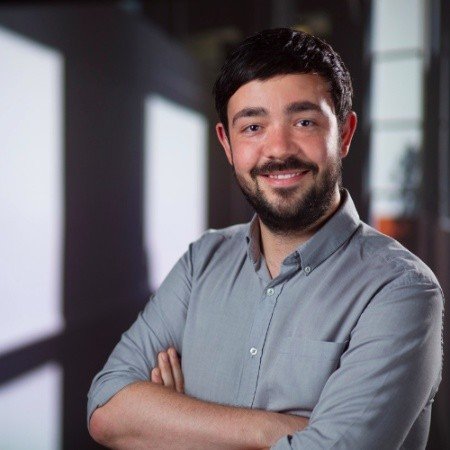
Join our interview with Mike Taylor, the co-founder of Vexpower, as he opens up about the challenges and revelations of his entrepreneurial path. Driven by a desire for a platform where his ideas could flourish without the constraints of traditional employment, Mike’s entrepreneurial journey has been a blend of high-stakes challenges, introspective realisations, and invaluable lessons. In this candid interview, Mike reflects on the intricate relationship between business challenges and mental well-being and shares strategies for navigating the tumultuous waters of startup life.
What inspired you to become a founder?
I was always working really hard and running up against friction in my jobs, where I felt the rest of the company wasn’t moving fast enough, or were making the wrong decisions. Ultimately I was attracted to having a platform for being listened to, and having scope to try my ideas.
During your time as a founder, have there been specific instances where you’ve felt particularly stressed or overwhelmed? If so, could you share a brief overview?
We had this problem client where they were yelling at my team and degrading me publicly on emails for poor performance. This stress was further compounded when I found out my co-founder had agreed to take on an out-of-scope project for them at a low quote. This client relationship proved toxic and cost us more than we made, leading to staff burnout and departures.
What warning signs indicate to you that you might be feeling stressed or overwhelmed?
For me, it starts with a period of time where I don’t work much on improving the business or innovating, and instead, I’m dragged into the day-to-day working. This leads to long hours, poor eating habits, lack of exercise, and strains in personal relationships.
Could you share an instance when your mental health impacted your business and how you navigated through that?
I was struggling to scale my agency when an advisor pointed out that I was more a freelancer with helpers than an agency owner. This realization, combined with the fact that the business still depended heavily on me, led to a period of introspection. I decided to rebuild the company into a true agency, attracting clients and staff that were more self-reliant.
Can you identify specific aspects of your role as a founder that have had a substantial impact, either positive or negative, on your well-being?
Being a founder puts you in closer contact with reality. While market feedback can be humbling and sometimes harsh, it offers clarity and is better for my mental health than the ambiguity of employee roles.
Who are in your support system, and how do you engage with them during challenging times?
My main support system is my wife, especially since we both work from home. I also get some advice from my parents and sister. Traveling, either for work or leisure, helps me reset and gain perspective.
Have you ever considered professional help to address mental health concerns during your founder journey? If so, how was that like?
No, I believe most of my problems were business problems manifesting as mental health issues. I sought advice from experienced individuals in my field.
What are some practical strategies you’ve implemented to maintain your mental health while managing your startup?
Burnout isn’t just about working hard, but working hard in situations where you feel you have no control. The key is to change your approach to problems, seeking solutions that bring the outcome within your control. Engaging in activities that provide feelings of mastery and control outside work is also beneficial.
How do you strive for a balance between your professional and personal life? Are there any particular boundaries or practices you’ve found helpful?
While achieving balance as a founder is challenging, it’s essential to prioritize personal time. I always stop work at 5 pm to spend time with my family, and I have a routine of cooking a special meal for my wife every Saturday night.
If you could offer one piece of advice to fellow founders on managing well-being or stress, what would it be?
Learn the signs of burnout, test your limits, and find ways to reduce the burden on yourself and your loved ones.
Are there any other aspects of your experience as a founder related to mental well-being that we didn’t ask about but you think are important to share?
Mental health problems for founders often manifest from underlying business problems. It’s crucial to be honest with oneself about the motivations and drivers behind the startup journey.
What other questions should be included to better understand the mental health challenges founders face?
The questions were fine, but a better interface, like a Google Doc, might be preferable to ensure responses aren’t lost.
Ending Remarks
Mike’s entrepreneurial narrative underscores the complex interplay between business dynamics and personal well-being. His experiences with challenging client relationships, the pressures of scaling, and the introspection required to transform his agency shed light on the multifaceted challenges founders face. Central to Mike’s insights is the understanding that many mental health challenges stem from underlying business issues. By proactively addressing these challenges, establishing clear boundaries, and nurturing personal relationships, founders can navigate the demanding startup landscape with resilience and clarity. His story serves as a testament to the importance of self-awareness, adaptability, and the continuous pursuit of growth.
Leave a Reply