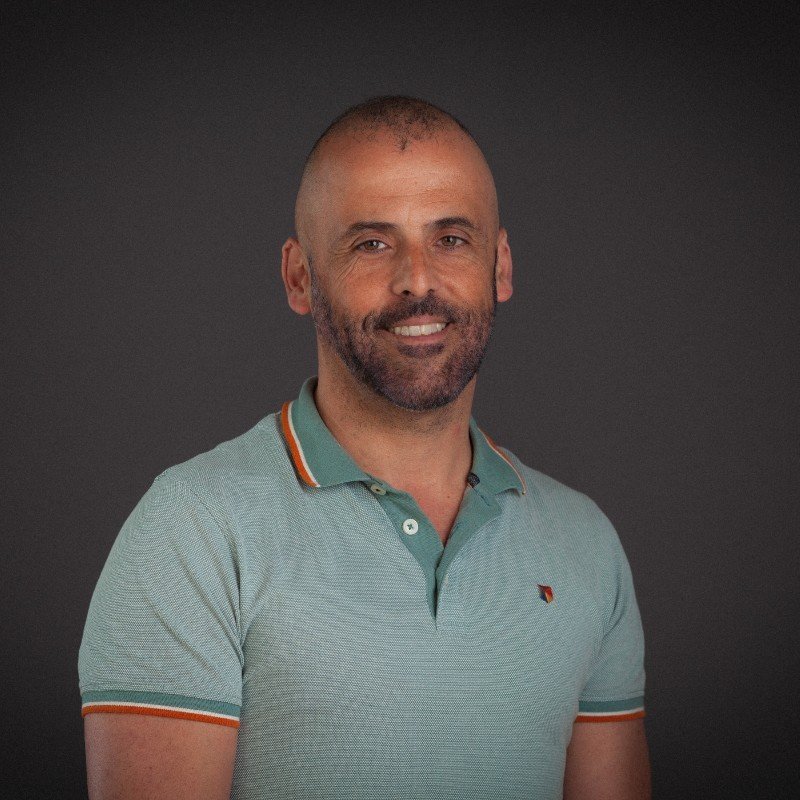
Richard Cristina, the co-founder of MentorLabs, embarked on his entrepreneurial journey fueled by a passion for startups and a desire to solve problems that benefit people. Yet, like many founders, Richard’s journey wasn’t devoid of challenges. His story offers a candid view into the highs and lows of entrepreneurship, shedding light on the emotional rollercoaster founders often navigate.
What inspired you to become a founder?
I’m usually on the other side mentoring founders as I am passionate about helping them launch a business. This led me to jump back into the founder seat and launch MentorLabs, to be able to offer mentoring at a scalable level.
Have you felt overwhelmed or stressed during your time as a co-founder?
Yes, I get imposter syndrome from time to time. Those that know me often see an outer confidence, however internally, there is a constant questioning of my ability to deliver the required outcomes and I thus constantly put huge pressure on myself.
How does stress manifest for you?
My patience dwindles, I become more introverted, and I spend more time alone.
Were there times when mental well-being significantly impacted your business, and how did you overcome it?
When faced with issues in a recent project that felt impossible to overcome, it gets all overwhelming and you feel like giving up. After talking it out with colleagues, friends, and my co-founder, I managed to navigate the pressures and address the issues. The mountains weren’t so big as initially thought or impossible to climb.
How does being a founder impact your well-being, both positively and negatively?
Negatively, I feel responsible for the outcome of not just my efforts but also my co-founders. I feel an added pressure to ensure it goes well not just for me, but for him. I believe this will intensify as we launch and grow. Positively, I’m excited about leading a team and hope to inspire them through the business’s success and my experience.
Who supports you during challenging times?
I rely on trusted friends and colleagues, choosing whom to approach based on the specific issue.
Have you sought professional mental health support?
Yes, I’ve undergone counselling. I consider it crucial and am grateful for its role in my well-being journey.
What strategies have you adopted to maintain your mental well-being?
I think it’s essential to take breaks from screens. I’ll ensure I’ll take walks, get some exericise, go for a run, gym or cycle and just take my mind of the work for a short period. I call it having a mental rest to avoid burnout.
How do you balance your professional and personal life?
By ensuring what was mentioned in the previous comments stays prominent and there are mental rest periods and days when it comes to the weekend. I have a tendency to work a lot of evenings and weekends, so the balance starts to tip the wrong way quickly. It’s important to keep an eye on it and ensure those periods, be it an hour or an afternoon / day, are mine to have without work.
Any advice for fellow founders regarding managing well-being or stress?
Maintain separate spaces for work and relaxation, especially if you’re a work from home person. Avoid letting your workspace infiltrate every corner of your life. Carve out those mental rest periods in your days and week. Stick to them.
Are there any additional insights related to founder mental well-being that you’d like to share?
Embracing vulnerability and seeking help when needed can be empowering. Recognizing and addressing mental health issues is a crucial step.
What additional questions would you suggest for understanding founder mental well-being?
Understanding how founders have dealt with their unique situations would be enlightening, as everyone’s experience variations in intensity and coping strategies.
Ending Remarks
Richard’s journey underscores the importance of setting boundaries, the value of seeking support, and the transformative power of vulnerability. By creating distinct spaces for work and relaxation and seeking professional help when needed, he discovered methods to manage stress and maintain well-being. His experiences serve as a poignant reminder that while the entrepreneurial path can be challenging, with the right tools and mindset, it’s possible to find balance and success.
Leave a Reply